In Michigan, winter car storage is not a luxury for collectors. It is how a convertible, a classic or a low-mileage summer car survives five months of road salt, freeze-thaw cycles and damp air. Done well, the car starts in April exactly as you left it. Done badly, you find a dead battery, flat-spotted tires and a mouse nest in the air box. This guide walks through nine steps that matter, and then helps you decide where the car should spend the winter.
Why winter car storage matters more in Michigan
Three things work against a parked car here. Road salt clings to the underbody and keeps corroding long after the last drive. Temperature swings pull moisture out of the air and onto cold metal. And a car that sits still for months loses battery charge and tire shape.
None of that is dramatic on its own. Together, over a full winter, it is the difference between a car that ages gracefully and one that needs repairs every spring.
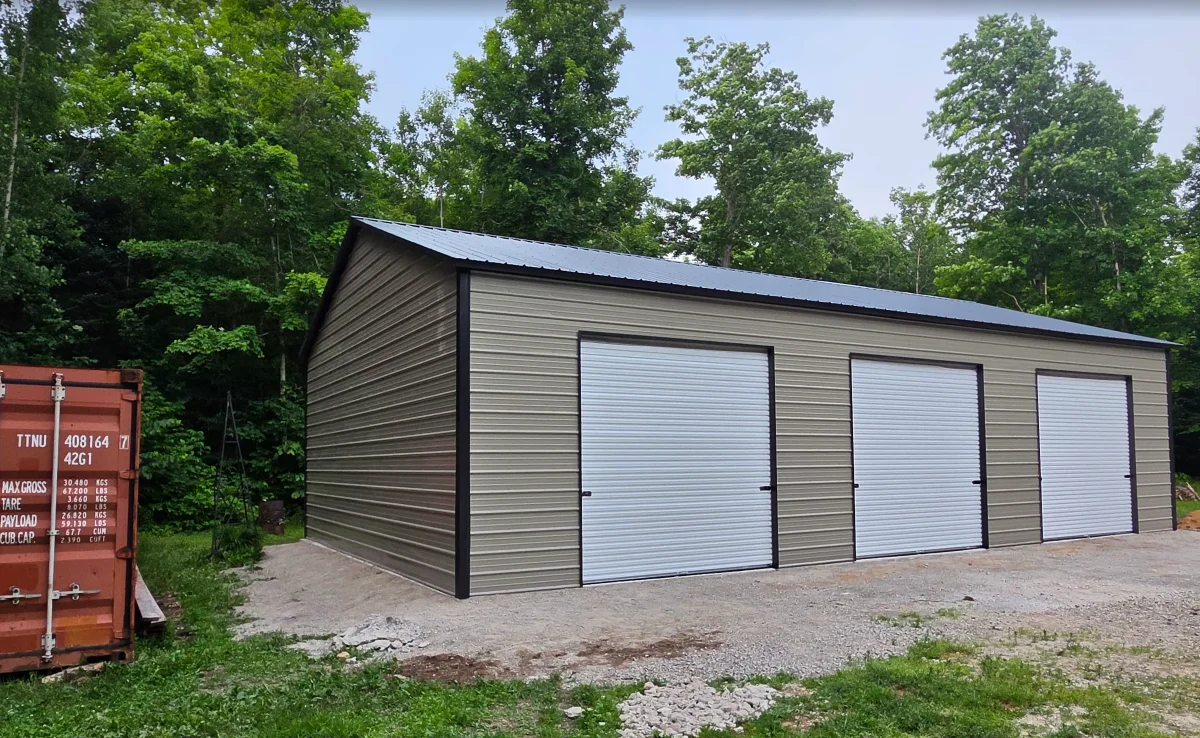
9 essential winter car storage steps
This winter car storage checklist follows the advice Hagerty, the Traverse City-based classic car insurer, gives in its guide to winter car storage and care, arranged in the order you would actually do them.
1. Wash off the salt, then wax
Clean the body, wheels and undercarriage before the car goes away. Any salt you leave on it keeps working all winter. A coat of wax protects the paint, and conditioner keeps leather and vinyl from drying out.
2. Fill the tank and add stabilizer
A full tank leaves less room for moisture to condense. Add fuel stabilizer, then drive a few miles so treated fuel reaches the whole system. Ethanol blends in particular break down faster without it.
3. Change the oil
Used oil carries contaminants you do not want sitting in the engine for months. If the car will be stored longer than about 30 days, change it first.
4. Keep the battery alive
Connect a battery maintainer, which only charges when needed, or disconnect the battery with the negative cable first. Cold drains a neglected battery quickly.
5. Protect the tires
Tires can develop flat spots when a car sits. Add 2 to 5 psi over the normal pressure, or put the car on jack stands for long storage.
6. Release the parking brake
Leave the parking brake off so the pads cannot bond to the rotors. Use wheel chocks instead.
7. Keep rodents out
Block the exhaust outlet and air intake with steel wool, remove every crumb of food from the cabin and the building, and set traps. A warm engine bay is an invitation.
8. Control moisture from below
Ground moisture rises through a slab or gravel floor. A sheet of plastic under the car, with cardboard on top, slows it down. Ventilation or a moisture absorber helps with the rest.
9. Use a breathable cover and leave the car alone
A breathable cover keeps dust off without trapping condensation. Then resist the urge to start the engine every week. Short idles create more moisture and wear than they prevent. Either drive it long enough to warm up fully, or let it sleep.
Winter car storage options compared
A winter car storage routine only works if the building does its part. The space should be dry, closed to weather and animals, and available when you want it. Here is how the usual options compare.
| Option | Strengths | Limits |
|---|---|---|
| Rented storage unit or facility | No building to own; some offer heat | Recurring cost every season; limited access; running a charger off-site is not always allowed |
| Your existing garage | Free and close | The daily driver, covered in slush and salt, ends up outside or parked beside the stored car |
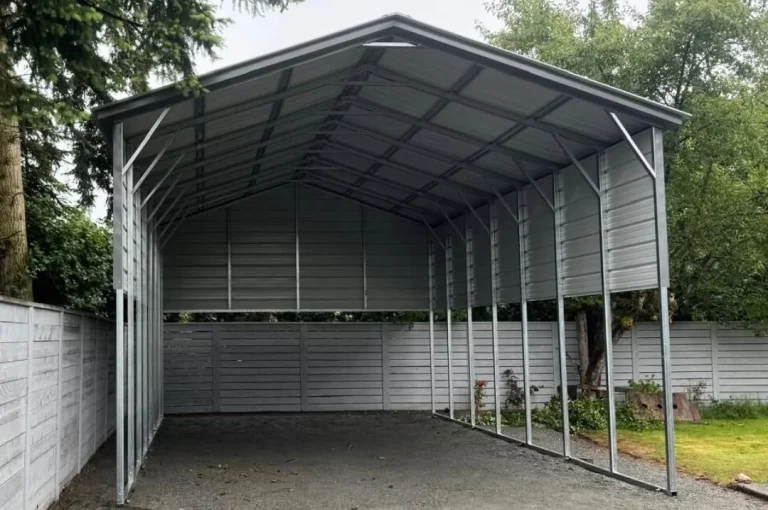
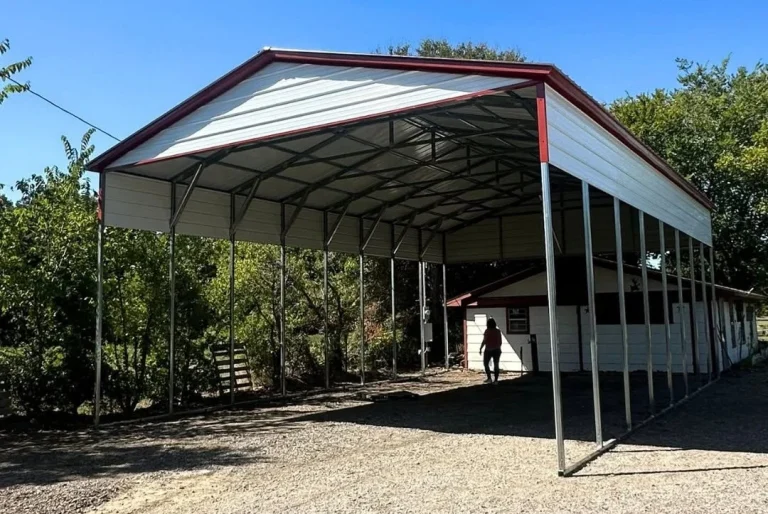
| Open carport | Keeps snow and ice off; low cost | No protection from blowing snow, humidity or rodents; better for daily drivers than for stored cars |
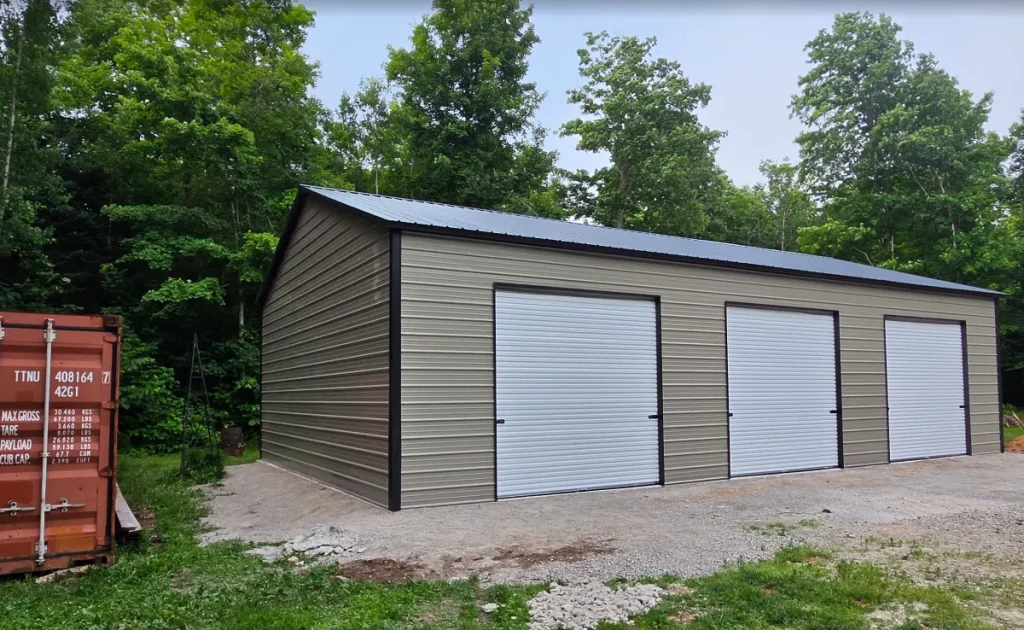
| Dedicated steel garage | Dry, lockable, on your own property; power for a maintainer; room to work | One-time purchase; needs a suitable site and possibly a permit |
For serious winter car storage, an enclosed building wins. An open metal carport is excellent for keeping a daily driver clear of snow, but long-term storage needs walls and a door.
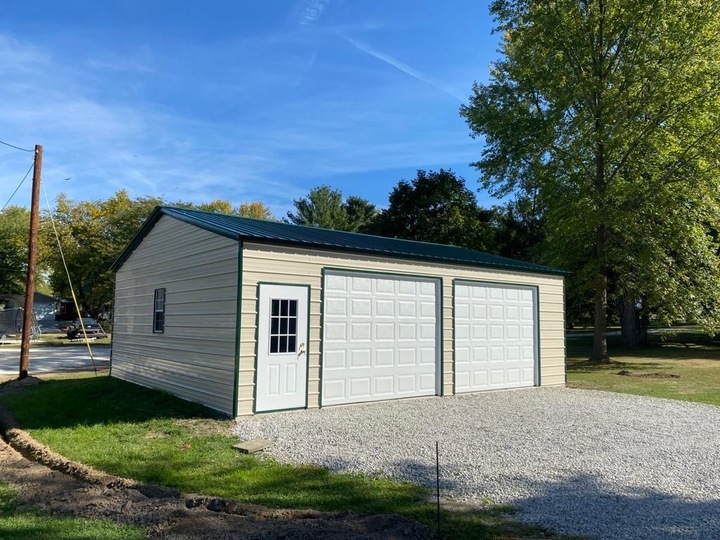
What makes a garage good for winter car storage
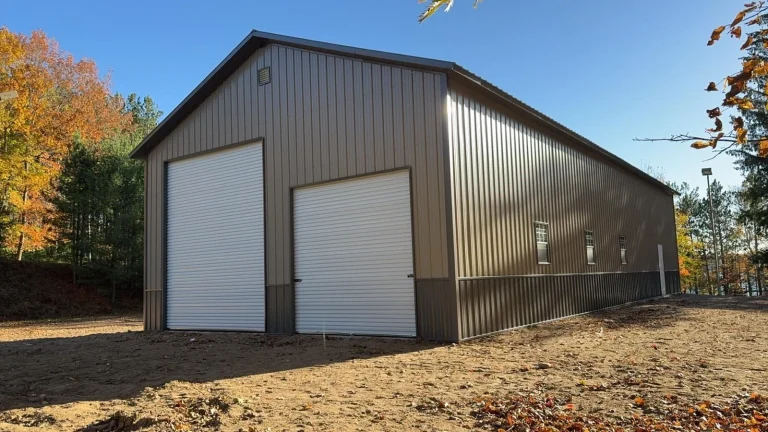
Not every enclosed building protects a car equally. If you are planning one of our steel garages with storage in mind, these details do the most work:
- A dry floor. A concrete slab with a vapor barrier underneath is the best base for stored vehicles. Gravel works, with a plastic sheet under the car.
- Insulation. We offer spray foam and reflective insulation. Both reduce the temperature swings that cause condensation on cold steel and cold cars.
- A sealed door. A roll-up or overhead door that closes tightly keeps out drifting snow and makes the building far less attractive to mice.
- Electricity. One outlet is enough for a battery maintainer and a light. Plan the electrical run with your electrician before the slab is poured.
- Enough room. Leave space to open both doors fully and walk around the car. Many owners find that a building one size larger than the car needs becomes the workshop they wanted anyway.
- Engineering for snow. Every structure we install is engineered for the snow load and wind of the county it stands in and stamped by a licensed engineer.
You can add insulation during installation or as a retrofit later, so it does not have to be decided on day one.
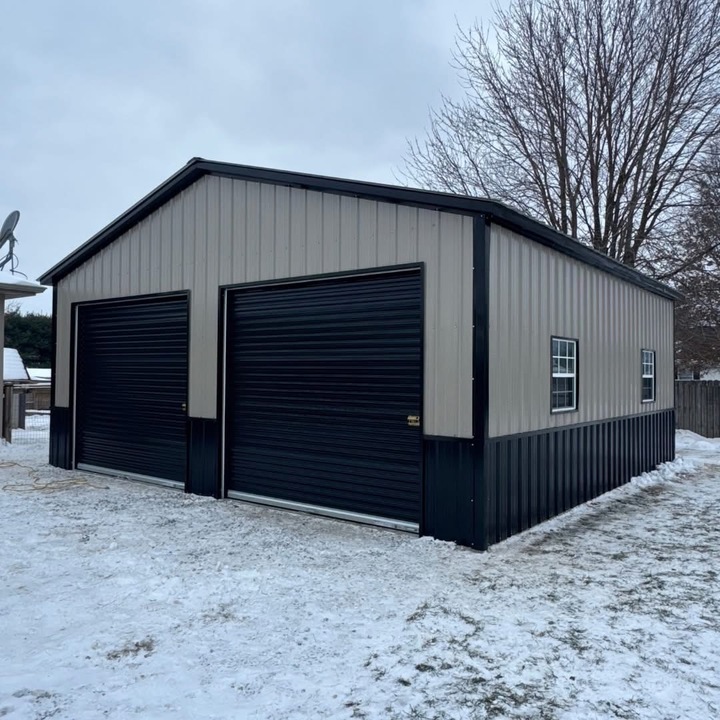
When to plan a winter car storage building
We install year-round, and standard garages typically go up within a few days to a week once materials are on site. The part that depends on weather is the foundation. Frozen ground and snow can delay site work and concrete, so if you want a slab, schedule it before deep winter or plan for spring.
Permit rules vary by township and county. We help confirm what applies at your address before the project starts. If paying up front is the obstacle, our financing and rent-to-own plans spread the cost over time.
Winter car storage: quick answers
How long can a car sit unused in winter?
With proper winter car storage preparation — stabilized fuel, a maintained battery and protected tires — a car can sit all winter without harm. Without that preparation, problems can begin within a few weeks.
Should I start my stored car during the winter?
Generally no. Brief idling does not get the engine hot enough to burn off moisture. Drive it properly on a dry, salt-free day or leave it alone.
Is an unheated garage good enough?
Yes, if it is dry and closed. Heat is a comfort for you more than a need for the car. Dryness and stable conditions matter most.
Give your car a proper winter car storage space
Tell us what you are storing and where the building will sit, and we will size a steel garage around it. Request your free, itemized quote or call (313) 986-1014 and a Michigan-based specialist will get back to you within one business day.
This article is general information. Building size, insulation, foundation and permit requirements should be confirmed for your property with our team and your local building department.